Author name: Alberto Racho

land value in north texas
Blog

How Infrastructure Drives Land Value in North Texas

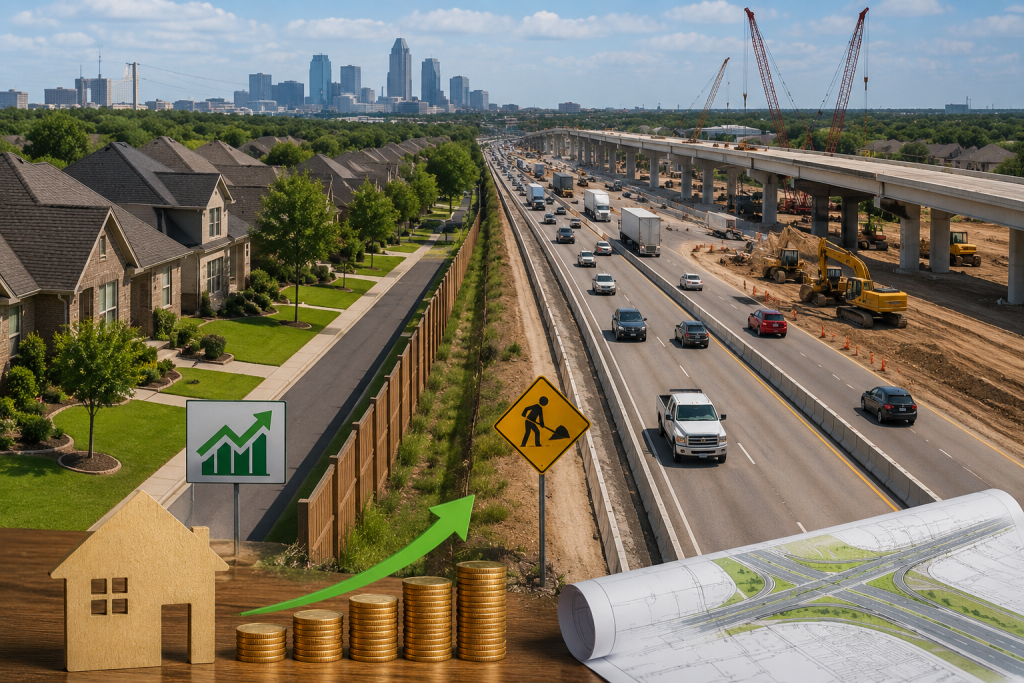
Land doesn’t go up in value just because people want it to. It goes up because someone builds something nearby. Roads get widened. Schools break ground. Utilities get extended. Money gets committed. And once that happens, land values start to move — sometimes fast. If you’re buying or selling land in North Texas, infrastructure is the signal worth watching. Not headlines. Not hype. Actual dollars being spent. Let’s talk about how it really works. Roads: The First Domino Road projects are usually the earliest clue. When a road expands or a new connector gets approved, it changes: Access Commute times Development feasibility Land that once felt “too far out” suddenly becomes practical. Developers pay close attention to: TxDOT plans County bond projects Traffic studies Once a road project moves from proposal to funding, land nearby starts pricing in that future. Miss that window, and you’re buying after the run-up. Schools: Quiet, Powerful Value Drivers Schools don’t get enough credit. New school campuses signal: Population growth Residential demand Long-term stability Districts don’t build schools unless families are coming — or already there. Land near planned schools often sees: Increased residential interest Faster absorption Higher lot values over time It’s not flashy, but it’s reliable. Utilities: Where Value Really Unlocks Utilities are where land goes from “interesting” to “actionable.” Water and sewer access: Reduce development costs Allow higher density Shorten timelines Land without utilities gets discounted for risk. Land with confirmed access often trades at a premium. And no, “nearby” isn’t the same as “available.” Capacity and approvals matter. This is where a lot of assumptions fall apart, especialy for new buyers. Bond Projects: Follow the Voters One of the smartest macro strategies is simple: follow bond money. When voters approve bonds, cities and counties commit real dollars to: Roads Utilities Schools Public facilities These projects don’t happen overnight, but they do happen. Land near funded bond projects tends to: See reduced uncertainty Attract developers earlier Appreciate more consistently This is public information — but most people never look at it. Follow the Money Strategy (It Actually Works) If you want to understand where land value is headed, stop guessing and start tracking spending. Ask: Where are cities investing? Which corridors are getting funded? What utilities are being extended? Growth leaves a paper trail. By the time projects are under construction, pricing has usually adjusted. The real opportunity is when funding is approved but construction hasn’t started yet. That’s the gap smart buyers live in. What This Means for Sellers If you’re selling land, infrastructure timing matters just as much as location. Selling before infrastructure lands often means: Buyers price in uncertainty Offers feel conservative Selling after funding or construction begins usually brings: More buyer interest Better pricing Faster deals Knowing where your land sits on that timeline can change outcomes. Why Macro Insight Matters Land value isn’t emotional. It’s directional. Infrastructure tells you where growth is being pulled, not where it might drift. At Airstream Realty, we spend a lot of time mapping these macro signals so buyers and sellers can make decisions with context — not just comps. That perspective tends to age well. FAQs: Infrastructure and Land Value Do roads always increase land value? Usually, yes — especially when they improve access or reduce travel times. But location and use still matter. How can I find bond project information? City and county websites publish bond details, capital improvement plans, and project maps. Are utilities more important than roads? For development, often yes. Utilities directly affect what can be built and how fast. Do schools impact commercial land too? Indirectly. Schools drive population growth, which supports retail and services nearby. Is it too late to buy once construction starts? Not always, but much of the upside may already be priced in. What’s the biggest infrastructure mistake buyers make? Assuming future projects are guaranteed. Funding matters more than plans. Infrastructure doesn’t make noise. It just moves value. And if you know where to look, it tells you exactly where North Texas is heading.

selling land
Blog

When NOT to Sell Your Land

This might sound strange coming from a brokerage, but it needs to be said: Sometimes the smartest move is not selling. I’ve had plenty of conversations where the best advice wasn’t “list it now,” but “slow down… let’s look at timing.” Land doesn’t behave like houses, and pushing a sale at the wrong moment can quietly leave value on the table. Here are a few situations where holding can make more sense than selling — even when offers are on the table. When You’re Between Market Cycles Land moves in cycles. Not straight lines. There are moments when: Buyers are cautious Capital is tighter Developers pause new acquisitions In these windows, offers tend to reflect fear more than fundamentals. If you don’t need to sell, this can be a time to wait. Markets shift. They always do. Selling at the bottom of a land cycle often feels fine in the moment… and frustrating a year or two later. When Infrastructure Is Close, But Not There Yet This one comes up a lot. If your land is: Near future road expansions In line for water or sewer service Adjacent to planned development Selling before infrastructure lands usually means pricing in uncertainty. Developers discount for: Timing risk Unknown costs Delays outside their control Once infrastructure is confirmed — or under construction — that risk drops. And value tends to move with it. Selling too early can mean missing that jump. When You’re Pricing Off Today, Not Tomorrow Some land looks average today… but sits right in the path of growth. If zoning, ETJ status, or annexation potential is evolving, waiting can allow: Higher density uses Expanded buyer pools Stronger pricing This doesn’t mean waiting forever. It means understanding what’s changing and when. Selling Land right before a shift is usually the least rewarding timing. When Offers Don’t Match the Story Not all offers deserve a yes. If buyers are: Treating your land like a simple comp-based deal Ignoring future use potential Pushing urgency without clarity That’s a sign the market may not fully see the asset yet. Land often needs context. When the story isn’t clear — utilities, zoning, access — buyers price defensively. Sometimes the right move is to step back, sharpen the positioning, and revisit later. Holding vs Selling: It’s Not Emotional, It’s Strategic Holding land isn’t about hope. It’s about math. Questions worth asking: What will realistically change in the next 12–36 months? Does holding improve clarity or reduce risk? Are you patient capital, or do you need liquidity? There’s no universal answer. Just better and worse timing. And yes, holding costs matter. Taxes, opportunity cost, all of it. But so does selling at the wrong moment. I’ve seen sellers rush, then realize they moved just a little too soon. It happens more than people admit. When Selling Does Make Sense Just to be clear — waiting isn’t always better. Selling can make sense when: Infrastructure timing is far off Zoning limits future upside Market demand is peaking Capital can be redeployed better elsewhere The key is knowing which situation you’re in. That’s where honest advice matters. At Airstream Realty, we’re comfortable telling landowners when holding makes sense — even if that means no transaction right now. Long-term trust beats short-term deals. Every time. FAQs: Holding vs Selling Land How do I know if I’m in a down cycle? Look at buyer activity, not headlines. Fewer offers, longer diligence periods, and conservative pricing are common signs. Does infrastructure always increase land value? Not always, but often. Especially when it expands allowed uses or density. Is it risky to hold land long-term? It can be, depending on taxes, carrying costs, and market changes. Holding should be intentional, not passive. Should I wait for annexation before selling? Sometimes. Annexation can increase value, but it can also add restrictions. Context matters. What if I get a strong offer now? A strong offer deserves consideration — but compare it against realistic future value, not wishful thinking. Can I miss the market by waiting too long? Yes. Timing cuts both ways. The goal isn’t perfection — it’s informed decisions. Selling land is easy. Selling land well takes timing. And sometimes, the smartest move is knowing when to wait.

Ellis County Zoning
Blog

Ellis County Zoning, ETJ, and Annexation Explained (Plain English)

If you own land in Ellis County — or you’re looking at buying from out of state — zoning and annexation can feel… murky. You hear things like ETJ, county rules, city control, and suddenly it sounds way more complicated than it should be. And honestly, some of it is. But not all of it. This guide breaks down how zoning, ETJs, and annexation actually work in Ellis County, without the legal-sounding fluff. City vs County Control: Who Makes the Rules? This is the first thing to understand. County Land (Outside City Limits) If your land is outside a city’s limits: The county controls basic rules Zoning is often lighter or nonexistent You usually have more flexibility That’s why a lot of rural landowners prefer county property. Fewer layers. Less red tape. But — and there’s always a but — that freedom can change if a nearby city gets involved. City Land (Inside City Limits) Once land is inside city limits: The city controls zoning Development rules get more specific Permits, plats, and design standards apply Cities use zoning to guide growth. That can increase land value… or limit it, depending on the zoning in place. Which brings us to ETJs. What Is an ETJ (and Why It Matters)? ETJ stands for Extraterritorial Jurisdiction. In simple terms, it’s land outside a city’s limits but inside its planning area. So even though you’re not in the city, the city still has a say. In an ETJ, cities can: Control platting Influence development standards Shape how land can be subdivided They usually can’t tax you yet, but they can guide how growth happens. This is where value gets interesting. Why ETJ Status Can Increase (or Limit) Value ETJ land sits in a gray zone — and gray zones attract developers. Why? It’s often cheaper than in-city land It’s positioned for future annexation Utilities may be closer For some buyers, ETJ land represents future upside. For others, it represents future restrictions. It really depends on: Which city controls the ETJ That city’s growth plans Utility expansion timelines Two ETJ parcels can look identical and carry very different value depending on those factors. This is where local insight matters more than maps. Annexation: Risk, Opportunity, or Both? Annexation is when a city officially brings land into its boundaries. This part gets landowners nervous — and understandably so. The Risks Annexation can mean: New zoning rules Higher taxes More permitting requirements For landowners who value flexibility, that can feel like a loss of control. The Upside At the same time, annexation can: Increase development potential Unlock utilities Support higher-density uses That often leads to higher land values — especially for residential or mixed-use development. So annexation isn’t good or bad by default. It’s situational. Timing, zoning, and intended use all matter. Why Out-of-State Buyers Get Tripped Up If you’re buying from outside Texas, this stuff isn’t always obvious. Zoning maps don’t tell the full story. And ETJ boundaries can change. Out-of-state buyers sometimes assume: County land stays county forever ETJ rules are fixed Annexation is always forced None of that is quite true. This is why local guidance can save buyers from surprises later. How This Affects Selling Land in Ellis County If you’re a landowner, zoning and ETJ status directly affect: Buyer demand Pricing expectations Who your best buyer actually is Land in an ETJ might attract developers. Land firmly in the county might attract long-term holders. Land nearing annexation can spark competition — or hesitation. Understanding the category your land falls into helps you market it correctly. At Airstream Realty, we spend a lot of time explaining these nuances upfront so sellers and buyers know what they’re dealing with. Fewer surprises. Better outcomes. FAQs: Ellis County Zoning, ETJ, and Annexation Can a city force annexation in Ellis County? Texas law has changed over time. In most cases today, annexation requires landowner consent, but there are exceptions. It’s important to check current rules for your specific city. Does ETJ mean I’m already part of the city? No. You’re still outside city limits, but the city has planning authority over certain development aspects. Can zoning change after annexation? Yes. Cities often rezone land after annexation to align with long-term plans. Is ETJ land always more valuable? Not always. Value depends on growth direction, utility access, and city policies. Can I opt out of ETJ rules? Generally, no. ETJ boundaries are set by cities based on population and location. Why does annexation sometimes increase land value? Because it can allow higher-density uses, public utilities, and clearer development paths. Zoning, ETJs, and annexation aren’t just legal concepts — they’re value drivers. Once you understand who controls what, and why, Ellis County land starts to make a lot more sense.

How Family Offices and Institutional Buyers Source Land
Blog

How Family Offices and Institutional Buyers Source Land

From the outside, it can look simple. A big buyer shows up. A deal closes quietly. Everyone assumes there was a listing somewhere and a number that just… worked. That’s not really how it happens. Family offices and institutional buyers source land very differently than retail investors or local developers. Most of the best opportunities never hit public listing sites. And most decisions are made long before a contract is signed. If you want to understand how these buyers actually operate — and why relationships matter so much — here’s a clearer look behind the curtain. First, Who Are These Buyers Really? Family offices and institutions aren’t chasing quick flips. They’re usually: Deploying long-term capital Managing risk across portfolios Prioritizing predictability over hype They don’t need every deal. They just need the right ones. And that mindset shapes everything about how they source land. What They Won’t Buy (Almost Ever) Let’s start with the no’s. Most institutional buyers avoid: Heavy entitlement uncertainty Unclear access or utility paths Environmental surprises Overly seller-driven pricing “Story deals” that rely on future hope They’re not allergic to work — they’re allergic to unknowns. If a deal requires too many assumptions just to make the numbers work, it usually dies early. Quietly. No counteroffer. No drama. Just… gone. That’s why some land sits untouched even in strong markets. What They Pay Premiums For Here’s where things flip. Institutions will pay more when risk is reduced and clarity is high. Premiums tend to show up for: Clean entitlement paths Utility certainty Strong access and frontage Scalable acreage Locations that fit a long-term thesis They’re also willing to pay for time savings. Land that shortens development timelines often commands better pricing. This is why two similar tracts can trade very differently. One has clarity. The other has questions. And questions cost money. How They Actually Source Land This part surprises a lot of people. Family offices and institutions don’t spend much time scrolling listings. They rely on: Trusted brokers Local relationships Direct introductions Quiet conversations They want deals filtered before they see them. By the time a property hits their desk, someone they trust has already vetted the basics. That trust matters more than marketing copy or flashy decks. Honestly, some of the strongest opportunities never get formally “marketed” at all. Why Relationships Matter More Than Listings This is the core difference. Listings are public. Relationships are selective. Institutional buyers prefer: Early looks Off-market access Honest assessments Long-term broker relationships They want to work with people who understand their criteria and won’t waste time. That’s how repeat business gets built. One good deal often leads to five more — but only if the process feels solid and transparent. That’s also why insider brokerages play such a big role in this space. Access isn’t about volume. It’s about alignment. Where Airstream Fits In Positioning land for these buyers isn’t about hype. It’s about precision. At Airstream Realty, our role often starts before a property is ever listed. We help shape the story, address the gaps, and connect sellers with buyers who actually fit the asset. That insider approach is what institutional buyers respond to. Not because it’s exclusive — but because it’s efficient. And efficiency is what sophisticated capital values most. FAQs: Family Offices and Institutional Land Buyers Do institutions buy off-market more than on-market? Often, yes. Off-market deals allow early access and less competition, as long as the fundamentals are strong. Will institutional buyers pay top dollar? They’ll pay premiums for clarity and reduced risk. They won’t overpay for uncertainty. Why don’t they negotiate publicly? They prefer quiet, controlled processes. Public bidding often introduces noise and inefficiency. Are family offices different from institutions? Yes. Family offices can be more flexible, but both prioritize long-term value and trusted relationships. Can smaller sellers access these buyers? Absolutely — with the right broker and positioning. Access is about fit, not size. What turns institutional buyers away fastest? Surprises late in diligence. Nothing damages trust faster. Family offices and institutional buyers don’t chase deals. They build pipelines. And the strongest pipelines aren’t built on listings alone — they’re built on relationships, trust, and a deep understanding of what really matters.

Development-Ready
Blog

What Makes Land “Development-Ready” in North Texas

“Development-ready” gets thrown around a lot. Sometimes it means everything’s approved and ready to build. Other times it just means someone thinks it should be worth more. Those are very different things. For sellers and developers in North Texas, knowing what truly makes land development-ready can mean the difference between a smooth deal and months of confusion. Or worse — a price expectation that never lines up with reality. Let’s walk through what actually matters, without the jargon overload. Entitlements: The Backbone of Readiness If there’s one word that signals development-readiness, it’s entitlements. Entitlements are the approvals that tell a developer what they’re allowed to build and how. This can include: Zoning approvals or changes Preliminary plats Site plans Variances Traffic studies or impact reviews Fully entitled land reduces uncertainty. And uncertainty is expensive. Even partial entitlements can move the needle. They show momentum and lower risk, which usually translates to stronger pricing and faster deals. No entitlements doesn’t mean land is worthless — it just means buyers have more work ahead. And they price accordingly. Water and Sewer: Clearing Up the Myths This is where a lot of confusion shows up. Myth: “There’s a water line nearby, so we’re good.” Reality: Proximity doesn’t always equal capacity or permission. Developers care about: Available capacity Tie-in approvals Distance and elevation Cost to extend lines Sewer is especially critical. Septic might work for rural homes, but it can kill higher-density plans fast. If sewer access is uncertain, buyers factor in lift stations, timing risk, and extra cost. That gap between “nearby” and “usable” is where value often gets adjusted down. And yeah, this part trips people up all the time. Road Access: More Than Just Touching a Road Access isn’t binary. It’s not just yes or no. Developers look at: Frontage length Road classification Traffic counts Curb cut approvals Turning lane requirements A parcel might technically touch a road but still struggle to get approved access. Or it might require off-site improvements that change the economics of the deal. Good access doesn’t just help approvals — it expands possible uses. And that flexibility matters. Detention: The Hidden Line Item Stormwater detention is one of those topics no one wants to talk about… until they have to. Most North Texas developments require some form of detention: On-site ponds Underground systems Regional facilities (if available) Detention eats into usable acreage. That affects yield. Yield affects value. Land that appears “big enough” can suddenly feel tight once detention requirements are modeled. This is one of those technical realities that quietly reshapes deal numbers. Floodplain: Not a Deal Killer, But Not Nothing Floodplain doesn’t automatically kill development — but it changes the plan. Depending on location and percentage, floodplain can: Reduce buildable area Increase engineering costs Limit certain uses Delay approvals Some developers are comfortable working around it. Others won’t touch it. What matters is clarity. Unclear floodplain mapping or assumptions tend to scare buyers more than floodplain itself. This is where early diligence pays off. When Land Is Almost Development-Ready Most land sits in the middle. It might have: Utilities nearby but not finalized Zoning that allows something, but not the best use Access that works, with conditions That’s normal. The key is understanding what’s missing and how much effort it takes to close those gaps. Sellers who understand this tend to negotiate better and avoid stalled deals. Those who don’t… well, things get messy fast. Why This Matters for Value Development-ready land reduces: Time risk Approval risk Cost uncertainty And developers pay for that reduction. Land doesn’t need to be perfect to be valuable. But the clearer the path forward, the stronger the pricing usually becomes. If you’re trying to position land correctly — or evaluate whether a site truly deserves the “development-ready” label — having experienced guidance makes a real difference. That’s the lens we use at Airstream Realty when helping sellers and developers navigate these details. FAQs: Development-Ready Land in North Texas Does land need full entitlements to be development-ready? No. Partial entitlements can still add value. It’s about reducing risk, not eliminating it entirely. Is septic ever acceptable for development? For low-density uses, yes. For higher-density or commercial projects, sewer is usually required. How much road frontage is enough? It depends on use and local requirements. More frontage generally allows better access and flexibility. Does floodplain always reduce value? Not always. It depends on how much of the site is affected and how it impacts usable acreage. What’s the most common surprise for sellers? Utility assumptions. Many sellers assume access means approval — and that’s not always true. Can land be marketed as development-ready without approvals? It can, but language matters. Buyers will verify everything. Overstating readiness can hurt credibility. Development-ready isn’t a label you slap on a listing. It’s a technical reality built from approvals, access, and infrastructure. Get those pieces clear, and the land tends to speak for itself.

Selling Land vs Selling a House
Blog

Selling Land vs Selling a House: Why Most Owners Leave Money on the Table

This is one of the biggest mindset problems I see with land sellers. They treat land like a house. Same approach. Same expectations. Same “let’s pull some comps and pick a number” logic. And that’s usually where money gets left behind. Sometimes a lot of it. Selling land is a totally different game. Different buyers. Different timing. Different rules. Once you see that, a lot of confusing offers suddenly make sense. The “Sell My House” Mindset Doesn’t Work for Land When you sell a house, the process is pretty familiar: Find comparable sales Adjust for condition and size Price it Market it Wait for buyers Land doesn’t follow that script. There are fewer buyers, longer decision cycles, and way more variables behind the scenes. Treating land like a house can quietly cap your upside without you ever realizing it. And yeah… I’ve seen it happen plenty. Land Is Not Priced by Comps Alone This one surprises a lot of sellers. Comps matter — but they’re only a starting point. Developers and land buyers dig much deeper than “what sold nearby.” They’re looking at: What the land can be used for What it will cost to get it there How long that process takes Who the end buyer will be Two parcels with similar past sales can be worth very different amounts today if one supports a stronger future use. That nuance rarely shows up in standard comps. Timing Can Matter More Than the Dirt Itself With houses, timing mostly affects how fast you sell. With land, timing affects what you sell for. Why? Because land buyers are often developers or investors who: Buy in cycles Follow capital availability Respond to zoning and infrastructure changes Selling just before a growth push versus just after one can mean a major pricing gap. Same land. Different moment. Miss the timing window, and buyers price in more risk. Hit it right, and competition shows up. Buyer Type Changes Everything This is where sellers unknowingly limit themselves. Different buyers value land differently: A neighboring owner A long-term investor A residential developer A commercial developer An institutional buyer Each one runs a completely different model. If you price land for the wrong buyer type, you might still get offers — just not the best ones. And if you only expose the property to one buyer pool? You never really know what it was worth. Off-Market vs Marketed Land Deals Off-market deals sound appealing. Quieter. Faster. Easier. And sometimes they are. But here’s the tradeoff: off-market often means fewer buyers competing. Fewer eyes usually equals less leverage. Marketing land properly — to the right buyers — creates price discovery. That’s how sellers find out what the market will actually pay, not just what one buyer hopes you’ll accept. Off-market can work well when timing is right or the buyer is perfectly matched. But it’s not automatically the better option. That assumption costs sellers real money. Why So Many Landowners Leave Money on the Table It usually comes down to three things: Relying on surface-level comps Selling without understanding buyer demand Treating land like a house instead of an opportunity None of this means sellers are doing something wrong. Most people just don’t sell land often enough to know how different it really is. That’s normal. But it’s also why strategy matters. Working with people who understand land valuation, buyer psychology, and timing can change outcomes in a big way. You can see how we approach these situations at Airstream Realty, where land strategy is treated very differently than residential listings. FAQs: Selling Land vs Selling a House Why can’t I price my land using nearby sales? You can start there, but it’s incomplete. Land value depends on future use, development costs, and buyer intent — not just past transactions. Does land usually take longer to sell than a house? Often, yes. But the right pricing and buyer targeting can shorten timelines significantly. Is selling off-market safer? It can feel safer, but it often limits competition. Less competition usually means less leverage on price. Who typically pays the most for land? It depends. Developers often pay more when land fits a specific need or timeline. Investors may pay less but close faster. Should I wait for the “perfect” time to sell? Timing matters, but waiting blindly can backfire. The best move depends on market conditions, buyer demand, and your goals. What’s the biggest mistake land sellers make? Assuming land sells like a house. That mindset quietly limits value more than almost anything else. Selling land isn’t about copying a residential playbook. It’s about understanding who wants the land, why they want it, and what moment they’re buying in. Get that right, and the numbers tend to look very different.

Blog

Ellis County Land Market Report

Ellis County keeps coming up in conversations lately. With buyers, developers, and family offices, especially. And honestly? That’s not random. This part of North Texas has shifted from “watch list” to “active target” over the past few years. Prices have moved. Demand has changed. And the types of buyers showing up today aren’t always the ones people expect. This report breaks down what’s actually happening on the ground — not just headlines, but the real patterns shaping land values in Ellis County right now. Why Ellis County Is Getting So Much Attention The short answer: pressure from the north. As Dallas County fills in and pricing tightens, buyers naturally look for the next place where land still pencils. Ellis County checks a lot of boxes: Proximity to Dallas-Fort Worth  Highway access  Larger tracts still available  Lower entry pricing (for now)  But not all land here is moving the same way. And that’s where things get interesting. Pricing Trends by Land Use Let’s talk pricing — but broken out by use, because lumping everything together just doesn’t work anymore. Residential Land Residential land continues to see steady demand, especially: In path-of-growth areas  Near highway corridors  Close to cities with expanding infrastructure  Developers are focused less on raw acreage and more on deliverability. Utilities, school districts, and timeline to first lots matter more than ever. Well-located residential tracts are still trading strongly, even as some buyers get more selective. Industrial Land Industrial demand has been one of the quieter stories — but it’s real. Ellis County benefits from: Access to I-35 and other major routes  Lower land costs than core DFW  Room for logistics, flex, and light industrial uses  Pricing here has moved up meaningfully, especially for sites with good frontage and utilities already in place. Parcels without those basics? They’re still lagging. Agricultural Land Ag land remains active, but motivations vary. Some buyers are true long-term holders. Others see ag land as a future conversion play — not today, but down the road. Prices for purely agricultural use have grown more moderately, while ag land with future development angles tends to command a premium. That difference matters. What Developers Are Buying Right Now This part gets a lot of guesses. Here’s what we’re actually seeing. Developers are targeting: Tracts near expanding city limits  Land with clear utility paths  Sites with multiple exit strategies (residential today, mixed-use tomorrow)  They’re avoiding: Heavy entitlement risk  Unclear access  Land that looks cheap but carries hidden costs  In other words, developers aren’t just chasing deals — they’re managing risk. And that shapes pricing in a big way. Sometimes the “best” land isn’t the cheapest one. It’s the one that moves faster once acquired. Migration from Dallas County into Ellis This trend hasn’t slowed. If anything, it’s gotten more defined. People and businesses are moving south because: Housing affordability stretches further  Commutes remain workable  Space is still available  That migration fuels demand for: New housing  Industrial support uses  Retail and service development  Land that supports this growth pattern is where buyers focus. Areas outside that flow? They still matter, but pricing reacts slower. You can almost see the ripple effect move county by county. What This Means for Buyers and Institutions For family offices and institutional buyers, Ellis County sits in a middle zone: Less speculative than far-out markets  More growth runway than fully built-out areas  But selectivity is key. Not every tract benefits equally from these trends. Understanding use-specific pricing, infrastructure timing, and developer appetite makes the difference between a solid hold and a frustrating one. This is where local insight beats broad market data every time. FAQs: Ellis County Land Market Is Ellis County still undervalued? In some areas, yes. In others, pricing has already adjusted. Value now depends heavily on location, use, and infrastructure access. Which land use is seeing the strongest demand? Residential and industrial are currently leading, though for different reasons. Residential tracks population growth, while industrial follows logistics and supply chain needs. Are developers still buying large tracts? Yes — but they’re more cautious. Phasing potential and utility access matter more than sheer size. How does Dallas County migration affect land prices? As people move south, demand follows. That supports residential development and secondary commercial uses, pushing up land values over time. Is agricultural land still a good long-term play? It can be, especially near growth paths. Ag land with future conversion potential tends to outperform land held strictly for farming. What’s the biggest risk buyers should watch? Overpaying for land that looks promising but lacks a clear path to development. Timing and infrastructure matter more than hype. Ellis County isn’t a secret anymore — but it’s also not finished evolving. For buyers who understand where demand is actually going (not just where it’s been), this market still offers real opportunity. The key is knowing what to buy, why you’re buying it… and when to wait. That’s where experience and local perspective tend to separate smart acquisitions from expensive lessons.

Blog

How Developers Actually Evaluate Land in North Texas

If you’ve ever wondered why one piece of land sells fast while another just sits there… you’re not alone. I hear this all the time from landowners and buyers across North Texas: “It’s the same size. It’s right next door. Why is it worth so much more?” That question makes total sense. But here’s the thing — developers don’t evaluate land the same way most people do. Acreage matters, sure, but it’s rarely the deciding factor. Let’s break down how developers actually look at land in North Texas, in plain English. No fluff. Just how decisions are really made. Acreage Isn’t the Star of the Show This is usually the first surprise. More acres doesn’t automatically mean more value. A 10-acre parcel can easily be worth less than a 3-acre one if the fundamentals aren’t there. Developers start by asking one basic question: “Can this land be used efficiently and profitably?” If the answer is shaky, acreage won’t save it. Utilities: The Silent Deal Maker (or Breaker) Utilities are one of the biggest value drivers — and one of the most misunderstood. Developers look closely at: Water availability (city water vs. well) Sewer access (this one is huge) Electric and gas proximity Capacity, not just presence A parcel without sewer access may require septic systems, lift stations, or costly extensions. Those costs add up fast and directly affect what a developer is willing to pay. Two neighboring properties can look identical on a map… but if one has sewer at the road and the other doesn’t, the pricing gap can be massive. This is one of those behind-the-scenes details that changes everything. Frontage: Visibility and Access Matter More Than You Think Road frontage isn’t just about how land looks — it’s about access, safety, and usability. Developers evaluate: Length of frontage Road type (FM road, highway, local street) Traffic counts Curb cuts and entry points A parcel with strong frontage on a major corridor often supports retail, multifamily, or mixed-use projects. One tucked behind other properties? That may limit it to lower-value uses. Sometimes just one extra curb cut can change the highest and best use of a site. Wild, right? Zoning: What You Can Build Drives Value Zoning sets the rules of the game. Developers want to know: What’s allowed by right Density limits Height restrictions Parking requirements Land zoned for higher-density or commercial use generally commands more value — but only if the market supports it. And rezoning isn’t guaranteed. It takes time, political buy-in, studies, and money. Developers factor that risk into their offers. If rezoning is uncertain, price usually comes down. Entitlements: The Real Shortcut to Higher Value This is where landowners can gain serious leverage. Entitlements include: Approved zoning changes Site plans Traffic studies Environmental clearances Preliminary plats Land that’s already entitled saves developers time and reduces risk. And time, to developers, is money. Even partial entitlements can significantly increase value. It shows momentum. It signals seriousness. It makes a project easier to say “yes” to. Honestly, this is one of the most overlooked value levers in North Texas land deals. Why Two Parcels Side by Side Can Be Priced So Differently This part frustrates sellers the most — and I get it. Here’s why it happens: One has sewer, the other doesn’t One has better frontage or access One allows higher density One has entitlements in place One has environmental issues (floodplain, wetlands, easements… you name it) On paper, they’re neighbors. In reality, they’re two totally different opportunities. Developers price land based on risk, cost, and exit potential, not proximity. Market Timing and End Use Matter Too Developers don’t buy land in a vacuum. They’re thinking about: Who will eventually buy or lease the project Construction costs today (which change a lot) Financing conditions Competing developments nearby A parcel perfect for multifamily five years ago might pencil differently today. Timing plays a role, even when the dirt hasn’t changed at all. What This Means for Landowners If you’re selling land in North Texas, here’s the takeaway: Value isn’t just about size. It’s about readiness. Understanding utilities, zoning, and development potential puts you in a much stronger position — especially when negotiating with experienced buyers. And if you’re not sure how your land stacks up? That’s normal. Most people don’t live in this world every day. That’s where working with a team that understands both the market and developer thinking makes a real difference. You can start by exploring how we approach land value and strategy at Airstream Realty. FAQs: Developer Land Valuation in North Texas What matters more than acreage when selling land? Utilities, zoning, frontage, and entitlement status usually matter more than total acreage. Developers care about usability and cost efficiency. Why do developers focus so much on utilities? Because extending utilities is expensive and risky. Land with existing water and sewer access reduces upfront costs and speeds up development timelines. Can land be valuable without zoning in place? Yes, but uncertainty lowers value. Developers discount land that requires rezoning unless the path is clear and likely to be approved. What are entitlements, and why do they matter? Entitlements are approvals that allow development to move forward. The more approvals in place, the less risk for a developer — and the higher the land value. Why won’t a developer match my neighbor’s sale price? Even small differences — like access, floodplain issues, or utility location — can create large value gaps. Side-by-side doesn’t mean equal. Should I entitle my land before selling? Sometimes yes, sometimes no. It depends on cost, timeline, and market demand. In some cases, partial entitlements can increase value without overinvesting.

home staging tips
Blog

How to Stage Your Home to Sell Fast: A Real-World Guide

You’ve decided to sell your home—and now you want it to sell fast. Not just sit on the market, but truly stand out and attract serious buyers. That’s where home staging comes in. Staging isn’t just for luxury listings or magazine spreads. It’s one of the most effective ways to make your home more appealing to potential buyers, often resulting in faster offers and higher sale prices. And no, it doesn’t have to cost a fortune. In this guide, we’ll walk you through practical, affordable home staging tips that actually work. Whether you’re selling a modest ranch or a spacious two-story, you’ll learn exactly how to make your home feel irresistible from the moment a buyer walks through the door—or clicks on your listing photos. What Is Home Staging, Really? Home staging is the art (and science) of preparing your home to appeal to the widest range of buyers possible. It’s about presenting your house in a clean, neutral, welcoming way so people can imagine themselves living there—not focusing on your furniture or personal stuff. Think of it like dressing for a job interview. You want to make a strong first impression, and you want your best features to shine. A well-staged home: Looks bigger, brighter, and more inviting  Helps buyers connect emotionally with the space  Makes your listing photos pop online (where most buyers start their search)  Can help your home sell faster—and for more money  Ready to get started? Let’s walk through the steps room by room. Step 1: Declutter Like You’re Moving Tomorrow This might be the most important staging tip of all: less is more. When buyers walk through your home, they’re looking at the space—not your belongings. Clutter can make rooms feel small, messy, and distracting. The goal is to create open, airy spaces that feel calm and functional. Decluttering tips: Clear countertops, coffee tables, and dressers  Remove extra furniture to open up walkways  Edit shelves to display just a few neat, neutral items  Pack away personal collections, knick-knacks, and most family photos  If you’re not ready to part with things, rent a storage unit or use your garage temporarily. (Just make sure the garage is tidy too.) Step 2: Deep Clean Every Nook and Cranny A clean home reads as a well-maintained home—and buyers notice everything. A quick wipe-down won’t cut it here. We’re talking deep cleaning. What to clean before staging: Baseboards, windows, blinds, and ceiling fans  Light switches, door handles, and air vents  Carpets professionally cleaned (especially if you have pets)  Grout and caulking in bathrooms and kitchens  Inside cabinets, drawers, and closets (yes, they’ll peek in there)  Pro tip: If you don’t have time to do it yourself, hire a professional cleaner. It’s a small investment that can have a huge impact. Step 3: Depersonalize—But Don’t Strip the Soul Yes, you’ll want to take down the gallery wall of family photos and your kid’s art on the fridge. But that doesn’t mean your home should feel empty. Buyers want to picture their own lives in the space—but they also want to feel a sense of warmth and lifestyle. Strike a balance by: Replacing family photos with artwork or nature prints  Swapping quirky decor for neutral pieces  Keeping tasteful accent pillows or throws to add coziness  Using soft, ambient lighting for warmth  Aim for modern but not sterile, clean but not cold. Step 4: Make Every Room Count Even the “bonus room” that’s become your storage zone should be staged with a purpose. Buyers want to see how they could use every square foot. Ideas for tricky spaces: Turn an awkward nook into a small reading corner  Set up a desk and chair in a spare room to show it as a home office  Use a bench and mirror to create an entryway if you don’t have one  Style a folding table as a craft area or kid zone  Your goal is to give every space a clear function that adds value in the buyer’s mind. Step 5: Focus on Curb Appeal Staging starts before buyers even walk in the front door. If your yard is messy or your porch looks tired, you’ve already lost some of their attention. Boost curb appeal with: Fresh mulch and trimmed bushes  A power-washed walkway or driveway  A clean, freshly painted front door  A new welcome mat and simple potted plants  Working exterior lights for evening showings  You don’t need a landscaping crew—just a little elbow grease and a tidy, welcoming vibe. Step 6: Make the Kitchen Shine Kitchens sell houses—and even if yours isn’t brand-new, staging can make a big difference. Kitchen staging tips: Clear the counters completely (just one or two decor items max)  Remove all fridge magnets, paper, and clutter  Clean every surface until it gleams  Add a bowl of lemons, a small plant, or a cutting board vignette  Hide trash cans and pet dishes  If your cabinets are dated, painting them white or gray and swapping out the hardware can be a low-cost facelift with high impact. Step 7: Create a Spa-Like Bathroom No one wants to see your toothbrushes and half-used soap bars. A staged bathroom should feel clean, fresh, and hotel-like. Simple bathroom staging upgrades: White towels, folded neatly or hung in sets  Clear off the vanity completely  Add a small plant, candle, or rolled hand towels  Close the toilet lid (always)  Make sure mirrors, fixtures, and glass shower doors sparkle  A fresh shower curtain and bath mat can make the room feel new for under $50. Step 8: Let There Be Light Good lighting = good vibes. Dark spaces feel smaller, colder, and less welcoming. The right lighting can completely change how a room feels. Lighting tips: Open all curtains and blinds during showings  Replace dim bulbs with brighter, daylight-tone LEDs  Add floor lamps in corners if rooms feel shadowy  Turn on every light during showings or photos—even closet lights  A bright, well-lit home looks happier and bigger. Don’t underestimate it. Step 9: Don’t Forget the Photos Most

property taxes in Texas
Blog

Understanding Property Taxes in Texas: What Buyers Need to Know

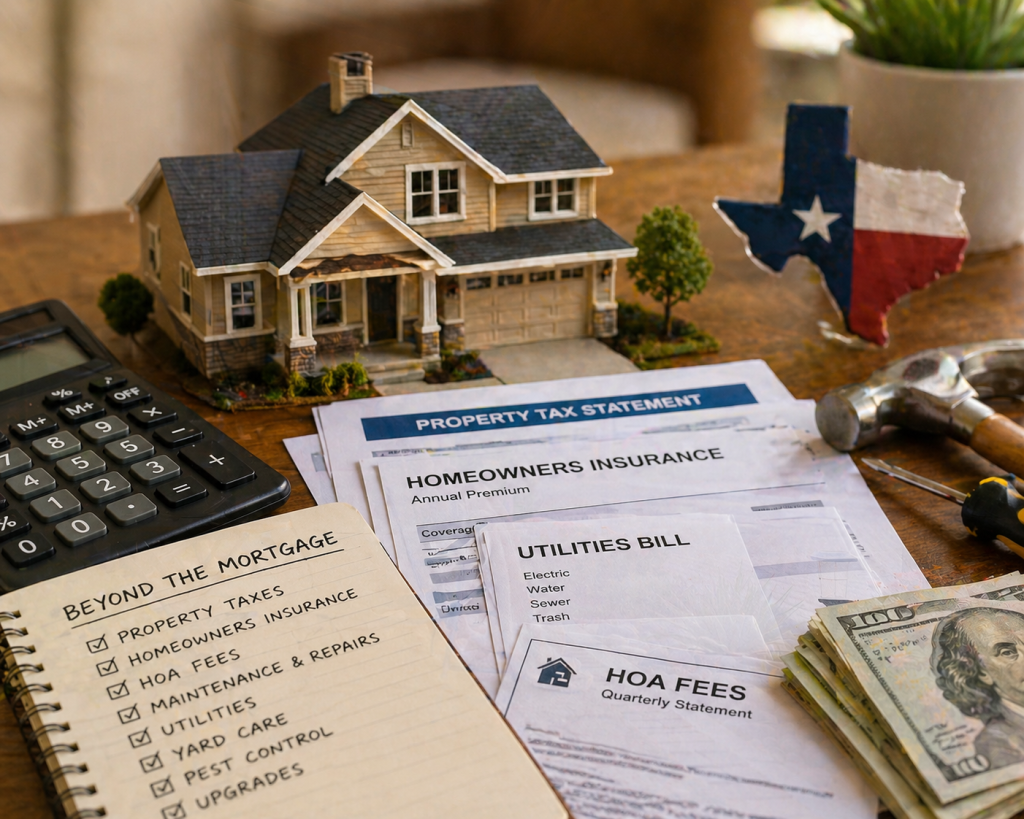
Buying a home in Texas comes with plenty of perks—big skies, growing cities, no state income tax—but it also comes with a price that catches many buyers off guard: property taxes. Texas has some of the highest property tax rates in the country, and understanding how they’re calculated (and what they pay for) is key to planning your budget and protecting your investment. In this post, we’ll break down how property taxes in Texas work, what influences your bill, how to estimate your payments, and what exemptions might lower your cost. Whether you’re a first-time buyer or new to the state, we’ll walk you through it in plain English. Why Texas Property Taxes Are Higher Than Most States Let’s start with the elephant in the room—Texas doesn’t have a state income tax. That’s a huge plus for many residents, especially those relocating from states like California or New York. But that money’s gotta come from somewhere. To fund public schools, local services, roads, hospitals, emergency services, and more, Texas leans heavily on property taxes collected at the local level. Instead of one flat statewide rate, multiple taxing entities—school districts, cities, counties, community colleges—combine to determine your total rate. So, while you may be saving on income taxes, property taxes in Texas can feel steep, especially in fast-growing counties. How Property Taxes Are Calculated in Texas Property taxes in Texas are based on a simple formula: Appraised Value x Tax Rate = Property Tax Owed Let’s break that down. 1. Appraised Value Each year, your local county appraisal district (CAD) assigns a market value to your property based on recent sales, local market trends, and the condition of your home. This value may not match what you paid for the home—it reflects what the CAD believes your home would sell for as of January 1 of that tax year. You’ll receive this appraised value in the spring, typically around April or May. 2. Tax Rate The property tax rate is set by local taxing authorities and can vary widely depending on your location. It’s typically expressed as a percentage or per $100 of value. For example, a rate of 2.5% means you’d pay $2,500 per year on a $100,000 home. It’s not uncommon in some Texas cities for tax rates to fall between 2% and 3.5%. To get the full picture, you need to add up all the taxing entities in your area—your school district, city, county, utility district, and any special assessments. Example: Estimating Property Taxes in Texas Let’s say you’re looking at buying a home appraised at $350,000 in a city with a combined tax rate of 2.6%. $350,000 x 0.026 = $9,100 in annual property taxes That’s $758.33/month, just for taxes. So if you’re planning a mortgage, don’t forget to factor in these taxes when calculating your monthly payment. Your lender will often collect them through an escrow account along with your mortgage and homeowners insurance. Want help estimating tax impacts while shopping for homes? Connect with a local buyer’s agent who knows the market and can give you accurate cost projections. When Property Taxes Are Due in Texas Here’s what the timeline typically looks like: January 1 – Tax year begins; appraised value is set as of this date April–May – Appraisal notices are mailed out by your county May 15 – Deadline to protest your appraised value if you disagree October – Tax bills are sent out January 31 (of following year) – Property taxes must be paid in full If you don’t pay by the deadline, interest and penalties start to rack up quickly. Can You Protest Your Property Tax Value? Yes—and many Texans do, especially in hot markets where appraised values rise fast. If you believe your home’s assessed value is too high (which leads to a higher tax bill), you can file a formal protest with your county’s Appraisal Review Board (ARB). You’ll need evidence—comps, photos, or repair estimates—to support your case. Some homeowners choose to file on their own, while others hire firms that specialize in tax protests (often on a contingency fee basis). Tip: Even if you don’t plan to sell, it’s smart to review your appraisal each year. The process can feel a little tedious, but saving hundreds—or thousands—makes it worth the effort. Homestead Exemptions in Texas One of the biggest ways to lower your property taxes in Texas is to apply for a homestead exemption. If you live in the home as your primary residence, you’re likely eligible. Here’s what it can do: Removes part of your home’s value from taxation (e.g., $40,000 off the value for school taxes) Caps how much your appraised value can increase (limited to 10% per year) Often includes additional savings at the city, county, and special district levels The homestead exemption does not apply to investment or rental properties—only your main home. Other exemptions may be available for: Seniors (age 65+) Veterans or disabled homeowners Surviving spouses People with disabilities You only need to apply once, as long as you don’t move or change the name on your deed. You can apply online through your county appraisal district’s website, typically by April 30 of the year you’re requesting the exemption. Property Taxes When Buying a Home in Texas When you buy a home, you may wonder: who pays the property taxes for the year? Here’s how it usually works: At closing, the seller pays taxes for the portion of the year they owned the home The buyer pays the rest, usually through escrow For example, if you buy a home on July 1, the seller will pay half the year’s property taxes, and you’ll cover the second half. But there’s a twist: the exact amount of taxes isn’t known until later in the year (usually October), so title companies use the previous year’s tax rate as a basis for estimating. If there’s a difference when the actual bill comes out, your lender will adjust your escrow account—or you may receive a bill

Scroll to Top